
In the days leading up to this year’s Brain Awareness Week, classrooms in Nairobi were transformed into spaces of discovery as students engaged in conversations about the brain, mental health and their future.
On March 4, the Care for Aging Sisters Association Kenya (CASAK), in collaboration with International Brain Research Organisation (IBRO) and Dana Foundation, began its school outreach program, visiting Vendramini Primary School, Teresa Nuzzo School and Teresa Nuzzo Girls to introduce learners to the importance of brain health and the science behind it. The initiative served as a launch activity ahead of Brain Awareness Week, observed globally from March 16 to 22, 2026.
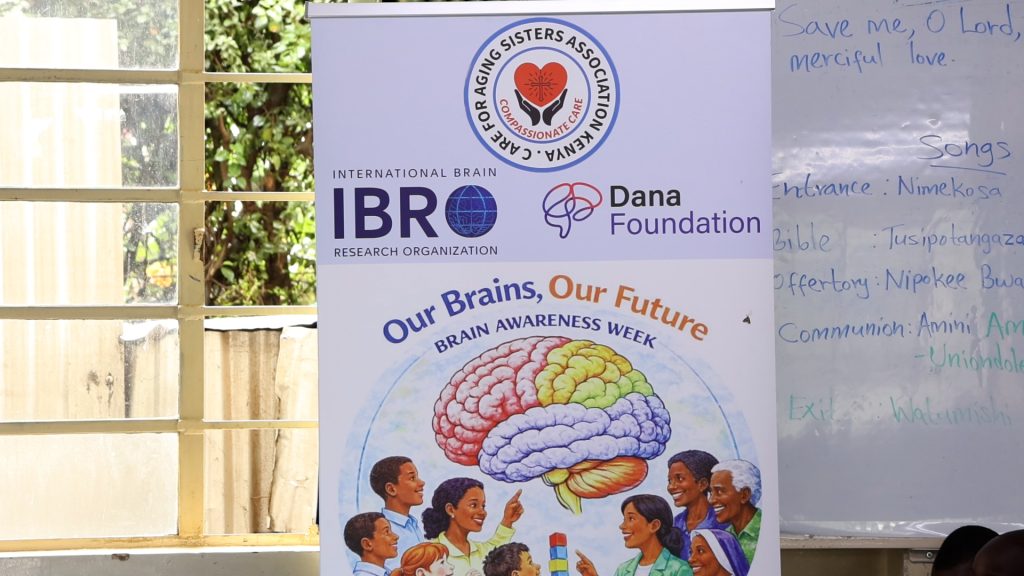
Through interactive sessions, students were taken beyond their normal lessons and encouraged to think about how their brains work and how everyday choices, what they eat, learn and engage with, can affect their mental wellbeing.
CASAK Director Sr. Agnes Ngure said the outreach is aimed at helping young people understand their brains early in life and make informed decisions that support long-term health. She also noted that the program seeks to address a wider societal need by inspiring interest in neuroscience, a field with a growing demand as the population ages.
“We want to raise curiosity in neuroscience because there is a gap in our society today, with very few neurologists available,” she said. “Through this awareness, we hope to inspire future professionals who will support healthcare in the years to come.”
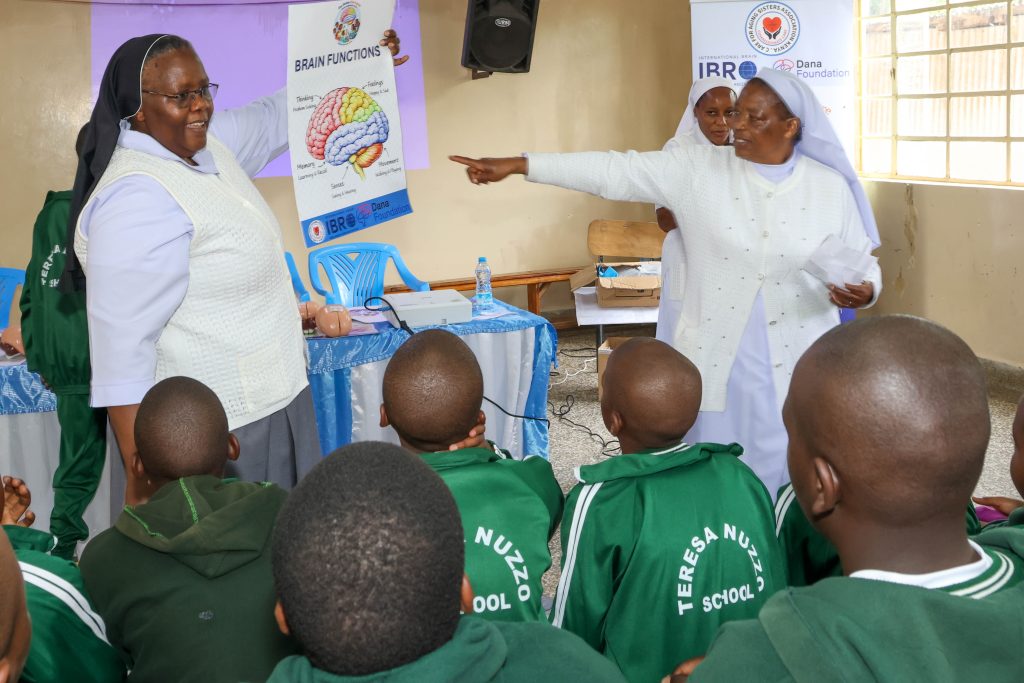
The sessions also highlighted the link between brain health and mental wellbeing, especially among young people navigating academic and social pressures. Sr. Margaret Malonza, Head of Teresa Nuzzo School, said exposing learners to such knowledge is increasingly important.
“Many of the challenges young people face today affect their mental health,” she said. “Understanding how the brain works helps them process these experiences better and take care of themselves and others.”
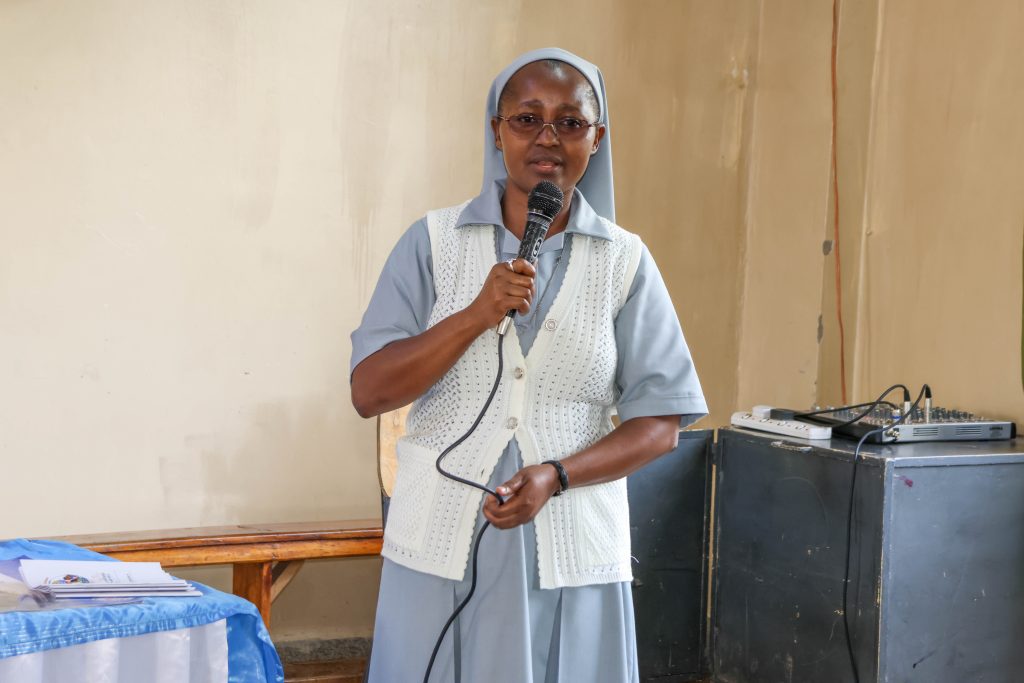
Students were further encouraged to develop positive habits that support brain function, including continuous learning and engaging with constructive information. At Teresa Nuzzo Girls, Principal Sr. Pauline Mumina emphasized the role of the brain in education and personal growth, urging learners to nurture it intentionally.
Neuroscience researcher Christopher Musembi, who supported the initiative, challenged students to think beyond the classroom and consider careers in brain science and healthcare, noting that early exposure is key to building a future workforce in the field.
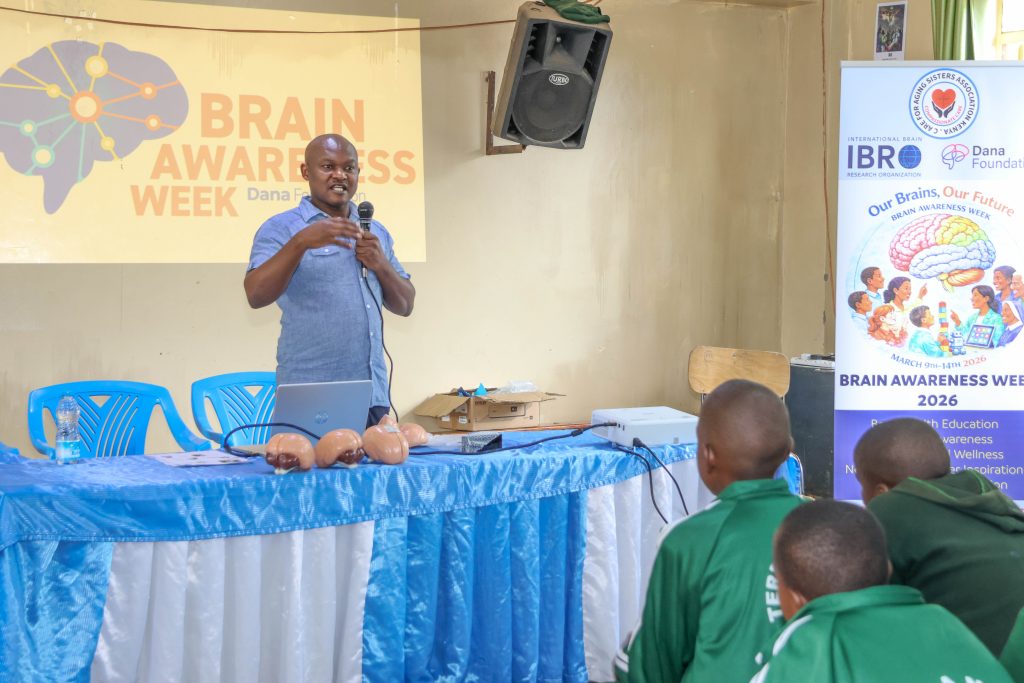
“Brain Awareness Week is about promoting brain research and mental health awareness,” he said. “By encouraging young people to develop interest in neuroscience, we are preparing a generation that can respond to the growing need for neurological and mental health care.”
CASAK officials say the outreach is part of a broader effort to integrate brain health awareness into everyday learning and community life. The organization has committed to continuing the program annually, with the aim of expanding its reach to more schools across the country.
As Brain Awareness Week begins, the message from the classrooms is clear: understanding the brain is not just for scientists, it is a life skill that starts early and shapes the future.