
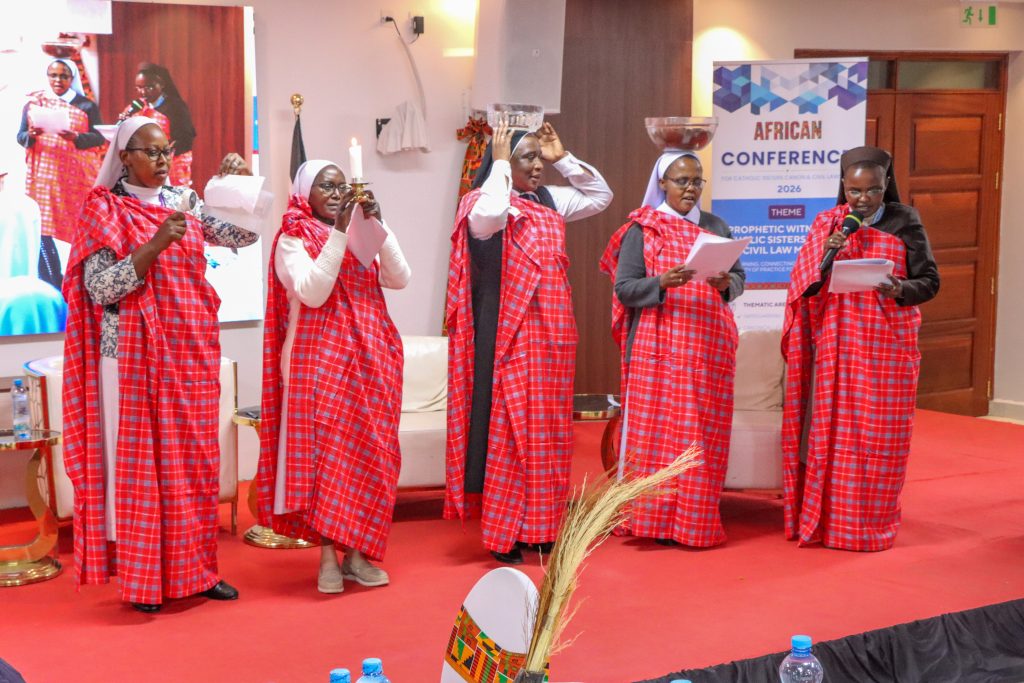
The second and final day of the African Conference for Catholic Sisters Canon and Civil
Lawyers concluded with participants reaffirming their commitment to strengthening
legal expertise, good governance, and ethical leadership in religious life. Held under the
theme, “Prophetic Witness of Catholic Sisters in Canon and Civil Law Matters: Learning,
Connecting and Building a Community of Practice for the Common Good,” the
conference brought together Catholic sisters, canon and civil lawyers, Church leaders,
and experts from across Africa to reflect on contemporary legal and pastoral issues
affecting religious institutes.
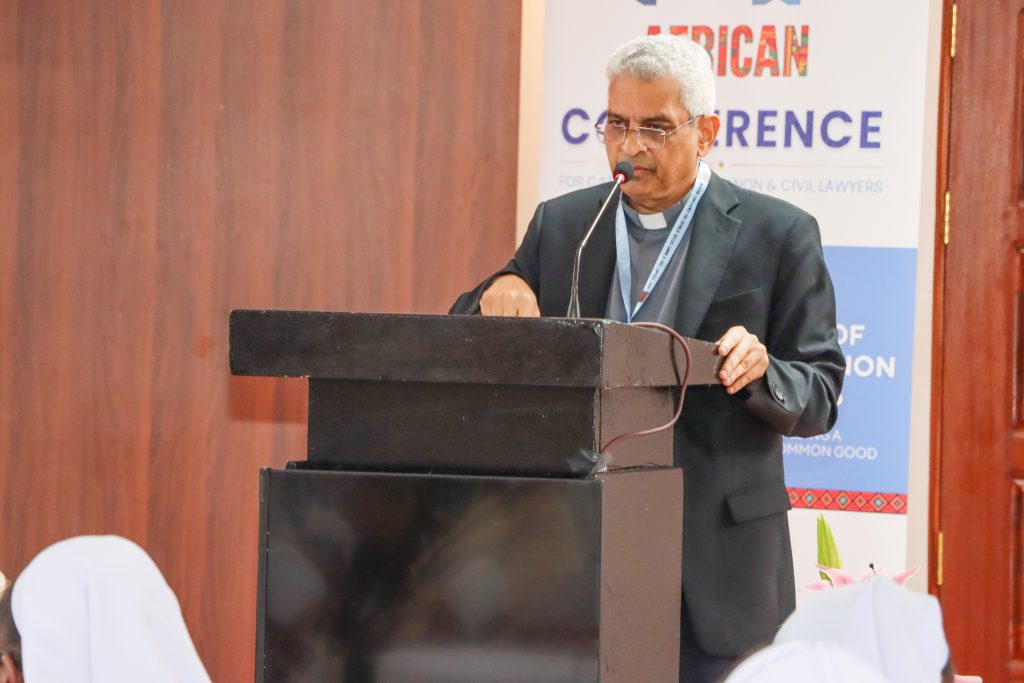
The day’s sessions opened with a presentation by Rev. Dr. Anton Padinjarathala, SDB,
from the Dicastery for Evangelization, who explained the Dicastery’s role in
accompanying and supporting religious institutes of diocesan right, particularly those
serving in mission territories. He outlined the canonical procedures that institutes of
diocesan right should follow in seeking Pontifical recognition, emphasizing the
importance of ecclesial communion, sound governance, and fidelity to the Church’s
canonical norms.
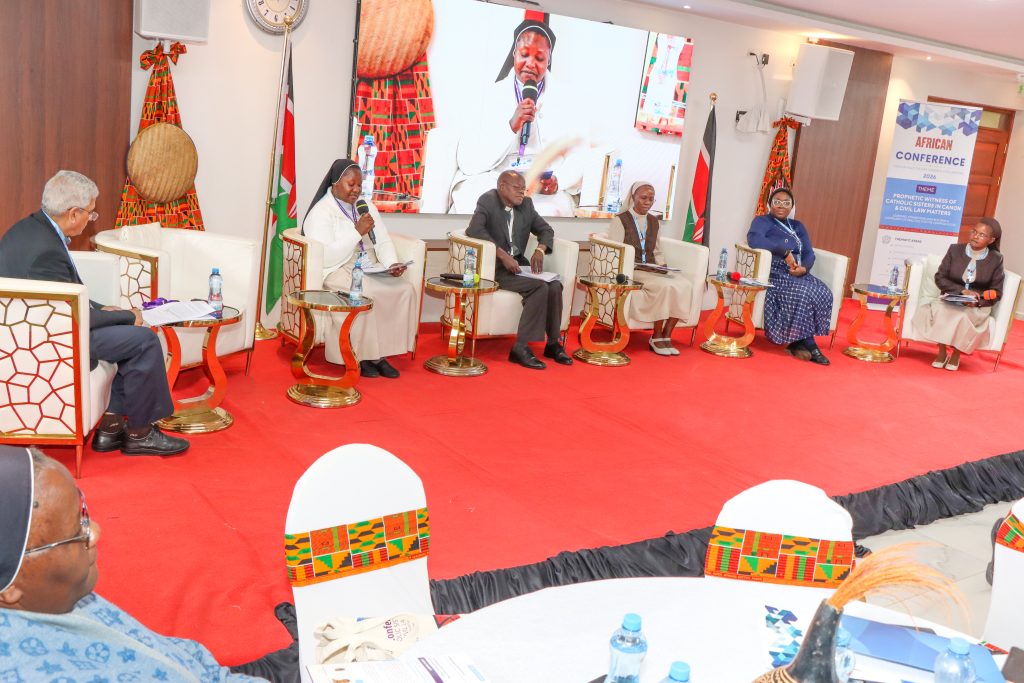
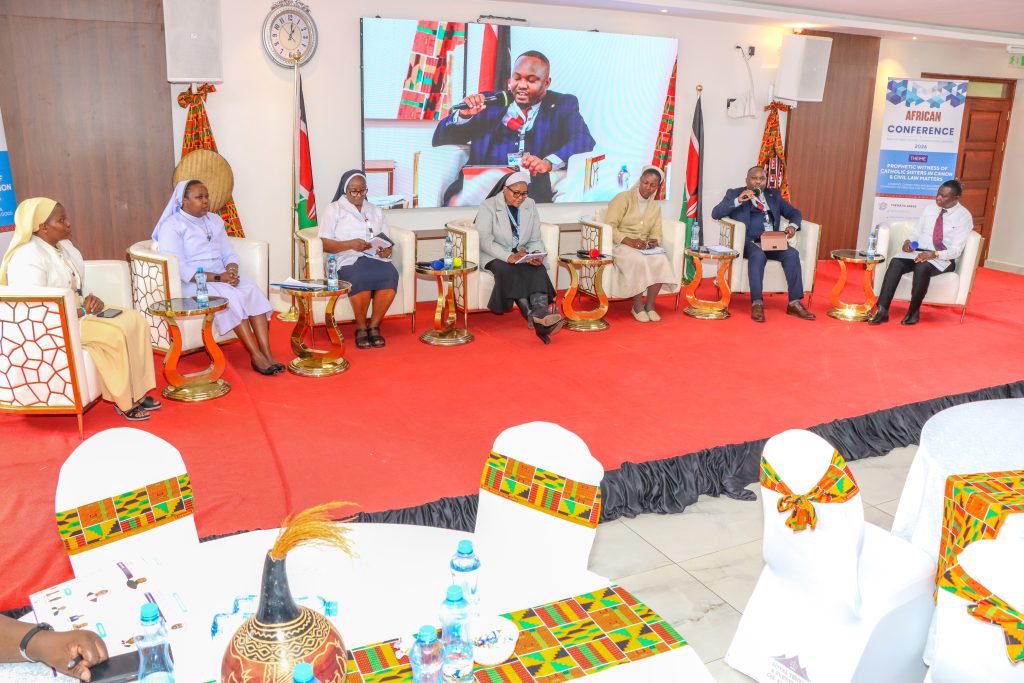
A panel discussion followed, allowing participants to engage the presenter on practical
concerns surrounding the establishment, growth, and governance of religious institutes.
The dialogue highlighted the importance of collaboration between religious institutes
and Church authorities in fostering vibrant and sustainable communities of consecrated
life.
The conference also addressed the critical topic of Land and Property: Administration of
the Temporal Goods of the Church and the Relationship between Religious
Congregations and Dioceses. Participants reflected on the responsibilities associated
with managing Church property in accordance with both canon and civil law.
Discussions emphasized transparency, accountability, prudent stewardship, and healthy
collaboration between dioceses and religious congregations to safeguard Church
resources for mission.
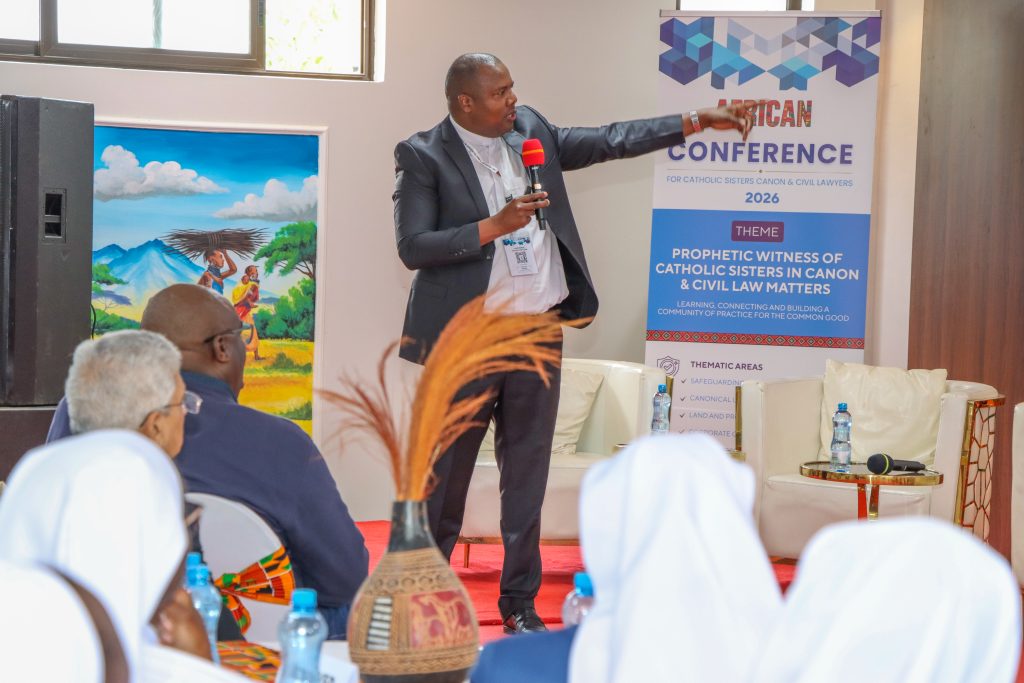
Responding to the realities of the digital age, participants attended a session on Data
Protection and Social Media: Impact on Religious Life, presented by Sr. Esther Muturi,
LSOSF, a journalist with Capuchin TV Kenya. She explored the opportunities and challenges presented by digital communication and encouraged religious sisters to use social media responsibly while protecting personal information, institutional integrity, and the dignity of those they serve.
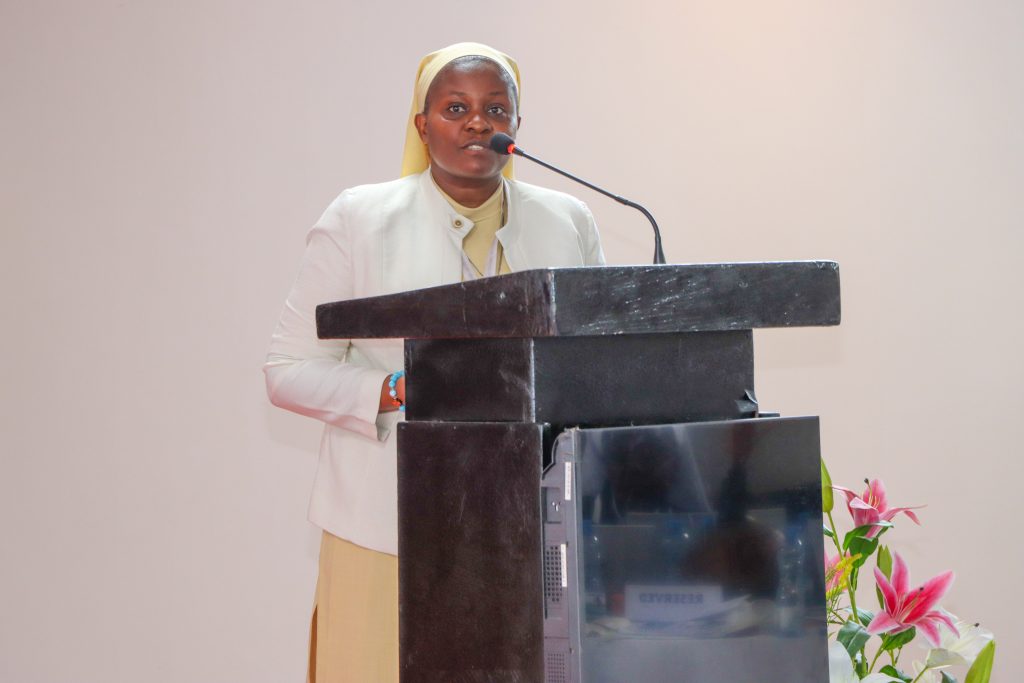
Joining the discussion as a panelist, Sr. Michelle Njeri, Director of the Communications
Network for Catholic Sisters (CNCS) Kenya, underscored the need for continuous
capacity building in digital communication among women religious. She emphasized the
importance of equipping sisters with practical skills in responsible social media use,
ethical storytelling, data protection, and privacy management within religious
communities. She noted that as Catholic sisters increasingly embrace digital platforms
for evangelization and mission, safeguarding personal and institutional information
must remain a priority.
The afternoon featured interactive World Café rotational discussions that encouraged
participants to exchange experiences and practical solutions on issues affecting
consecrated life today. One group reflected on understanding the vow of poverty in the
African context, examining its canonical rights and obligations while considering the
realities facing religious institutes across the continent. Another group explored
corporate governance in religious institutes and the requirements under civil law,
highlighting the need for strong governance structures, legal compliance, financial
accountability, and responsible leadership.
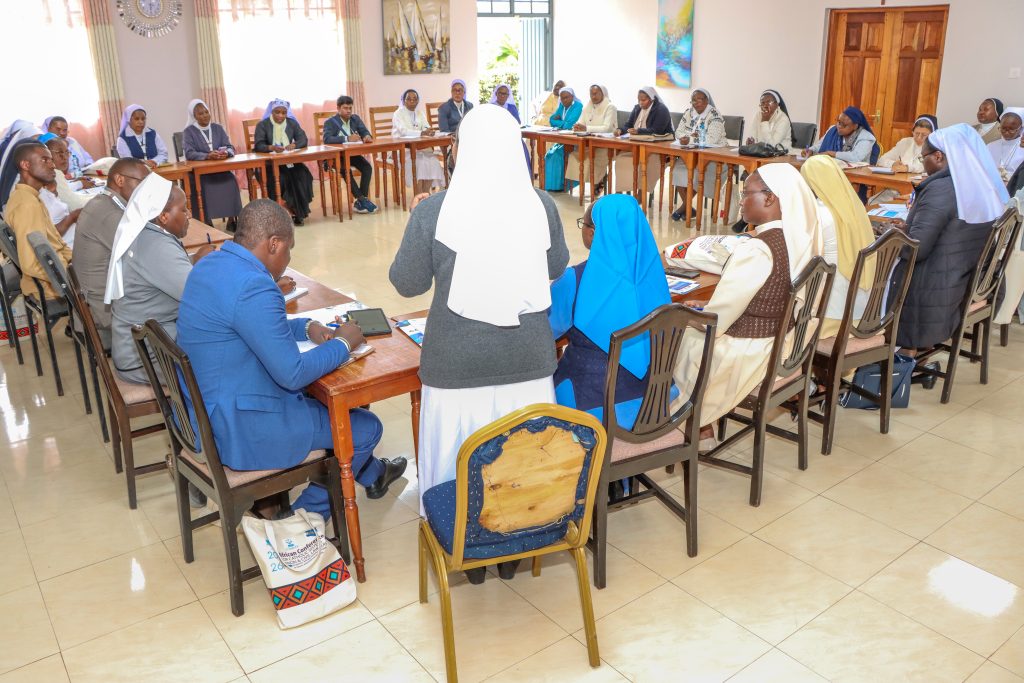
The World Café sessions provided an opportunity for participants to learn from one
another, share best practices, and collectively identify practical approaches to
strengthening governance and legal compliance within religious institutes.
As the conference came to a close, participants expressed appreciation for the rich
learning experience, meaningful dialogue, and professional networking fostered
throughout the two-day gathering. The conference strengthened the resolve of Catholic
sisters to continue serving as prophetic witnesses through competent leadership in
canon and civil law, safeguarding, governance, and ethical communication.
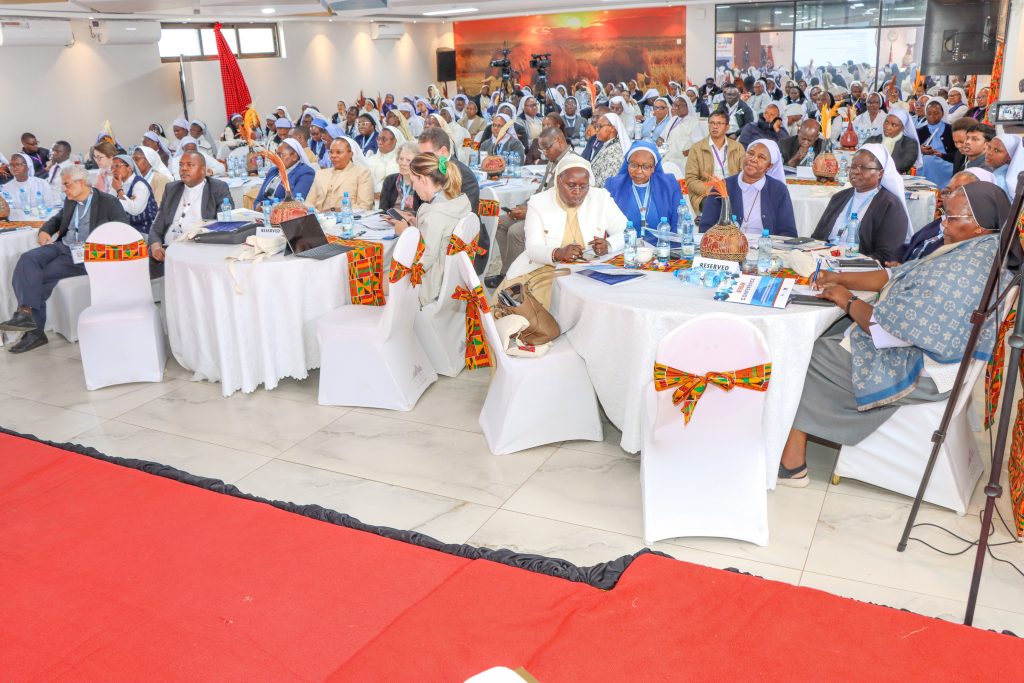
The African Conference for Catholic Sisters Canon and Civil Lawyers concluded with
renewed hope and a shared commitment to building a vibrant community of practice
that will continue promoting justice, accountability, human dignity and the common
good across the Church in Africa.