
Catholic Sisters have been called upon to use communication and digital media not merely to share information, but as powerful tools for peacebuilding and the transformation of communities.
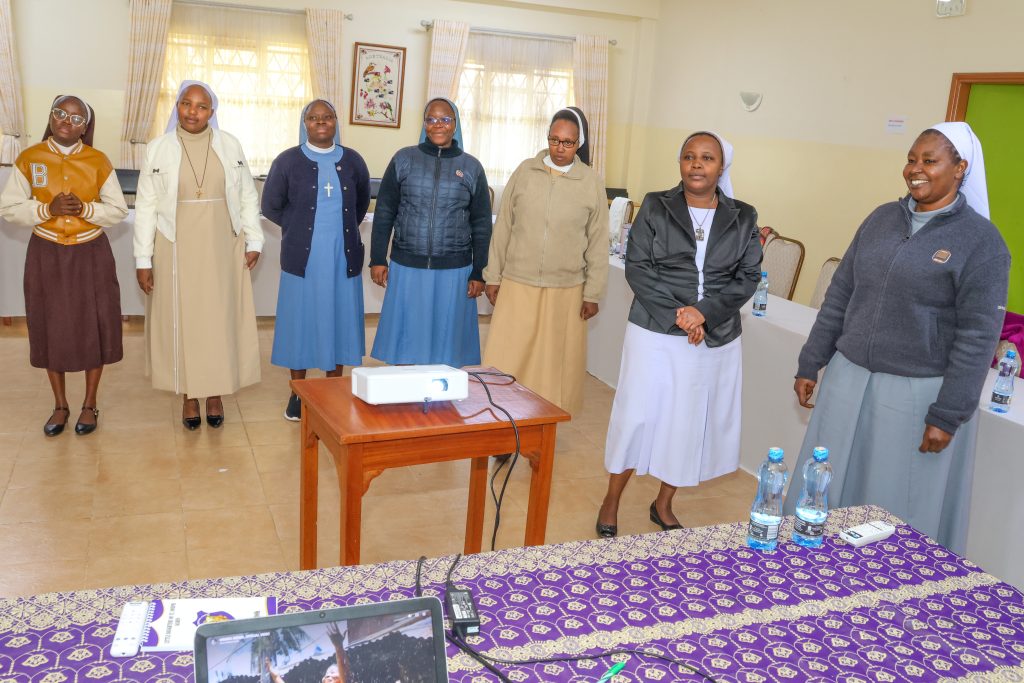
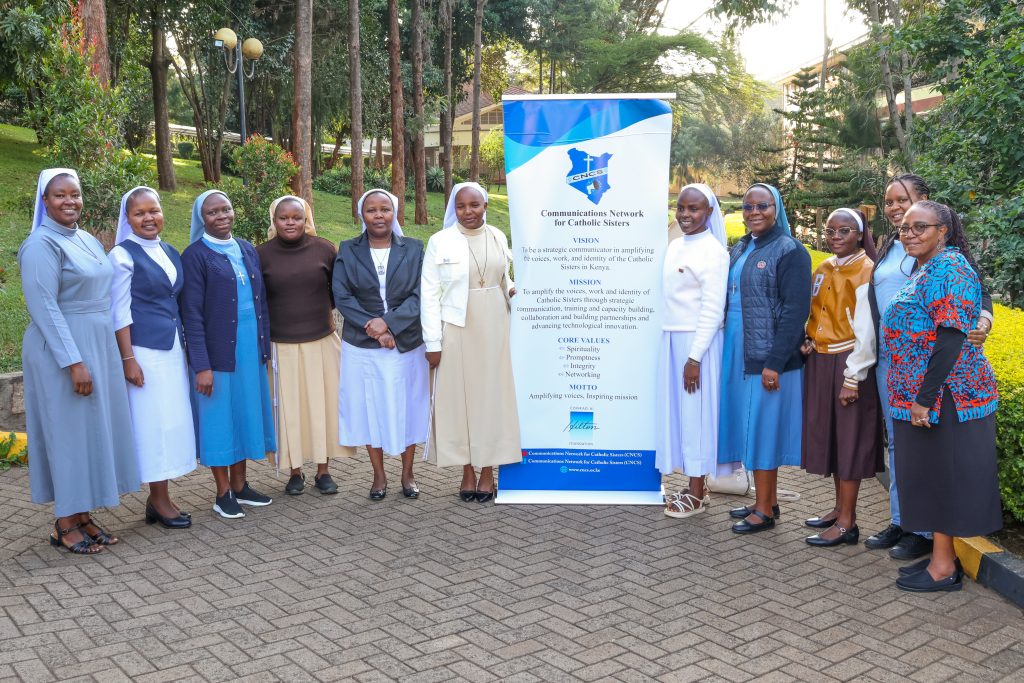
The call was made during a workshop titled “Building Nonviolent Peaceful Communities in the Digital World,” held at St. Joseph’s Center, Nairobi, and facilitated by Sr. Wamũyũ T. Wachira, CJ, a Senior Lecturer and Programme Leader in Peace and Conflict Studies at St. Paul’s University, where she teaches and trains students in peacebuilding and conflict transformation. The training, conducted in partnership with the Communications Network for Catholic Sisters (CNCS Kenya), brought Catholic Sisters together for an in-depth reflection on conflict, violence, peace and the role of communication in shaping society.
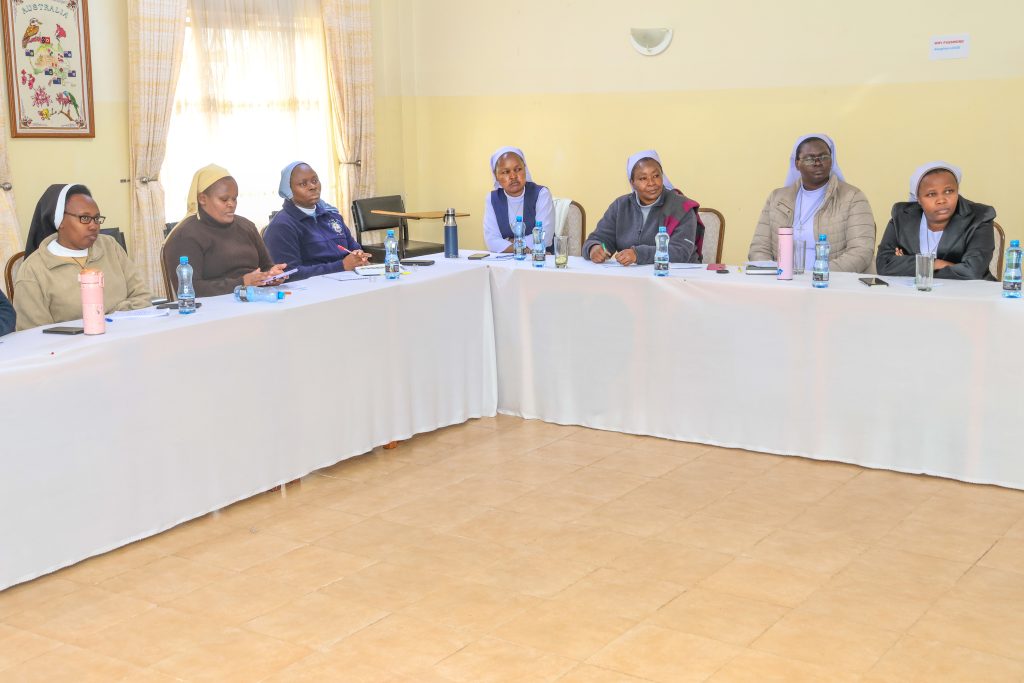
At the heart of the workshop was a fundamental distinction: conflict is not the same as violence.
Sr. Wamũyũ challenged participants to rethink the way they understand conflict, explaining that differences are a natural part of human relationships and communities. The challenge, she said, is not necessarily to eliminate conflict, but to ensure that it does not escalate into violence.
“Conflict is natural, is neutral and is normal. But violence has to be addressed immediately. Do not allow your conflict to escalate into violence.”
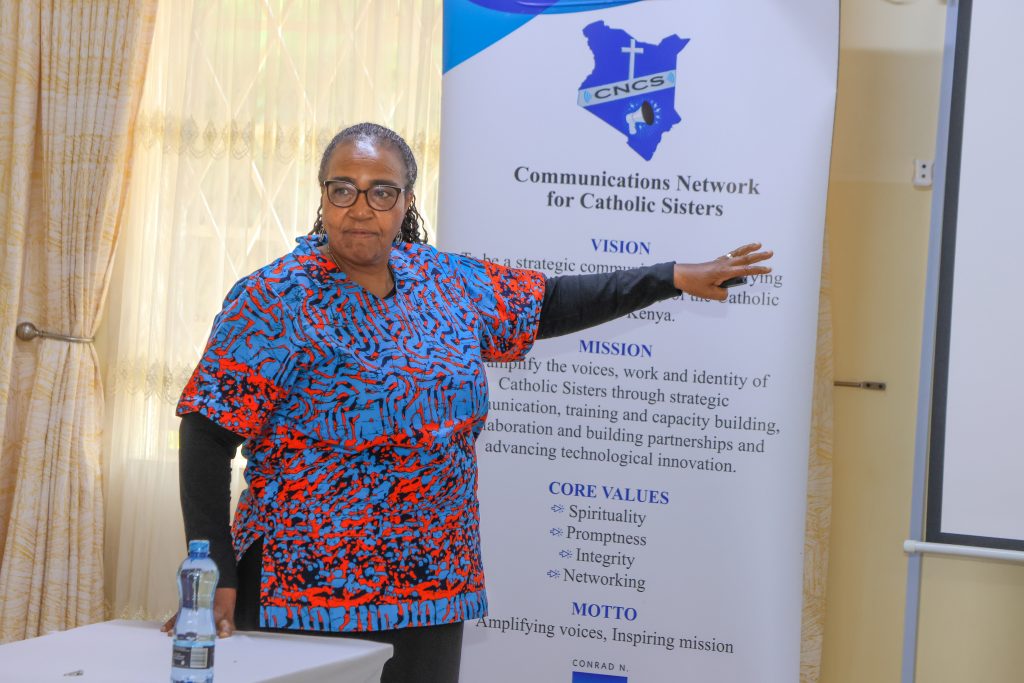
This distinction, she explained, is critical for anyone working to build peaceful communities. Conflict can arise from differences in needs, interests, values and beliefs. When such differences are not addressed constructively, however, they can develop into destructive patterns of violence.
The workshop went beyond visible acts of violence to examine the deeper forms of violence that can exist within societies. Participants reflected on direct violence, which is often the most visible, as well as structural and cultural violence, which may be embedded in systems, institutions, attitudes and social practices.
Sr. Wamũyũ challenged the Sisters to look beyond the immediate manifestation of a problem and examine the structures and cultures that sustain it.
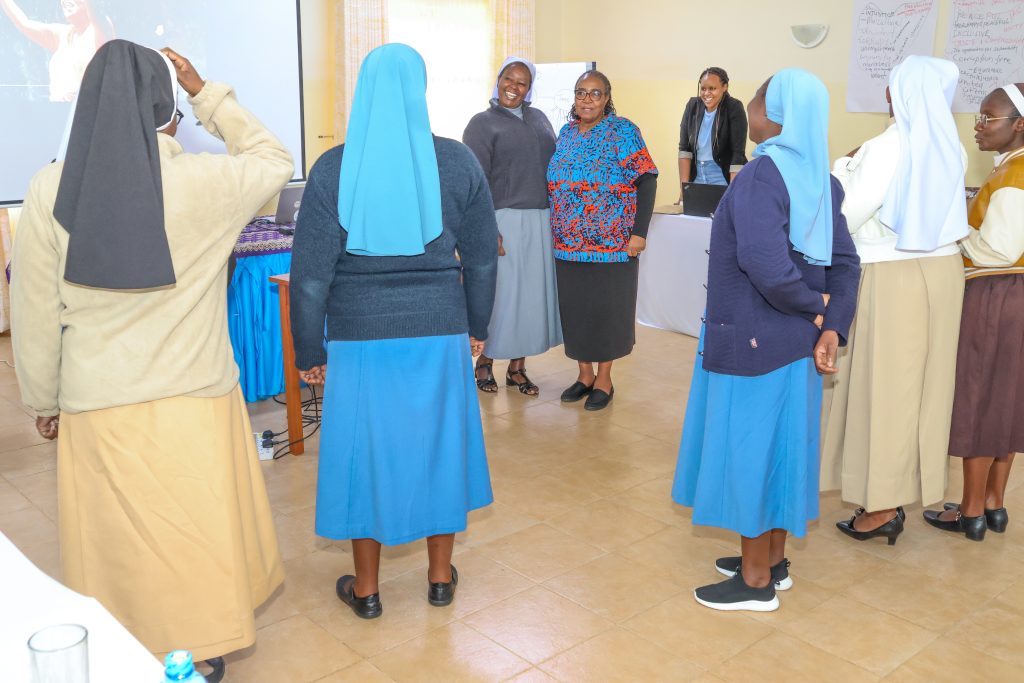
“When we talk about violence, we have to deal with it at the structural and cultural levels. Direct violence is easy to see, but structures and cultures are harder to see. We have to ask ourselves: what structures have we created, and are they peaceful or are they violent?”
This approach also informed the discussion on peace. The absence of open violence, participants were reminded, does not necessarily mean that a community is experiencing genuine peace. A society may be free from visible conflict while injustice, exclusion and inequality continue to exist beneath the surface.
The facilitator therefore encouraged the Sisters to pursue positive peace, a deeper form of peace that addresses the underlying causes of conflict and seeks to establish relationships, structures and cultures that promote justice and human dignity.
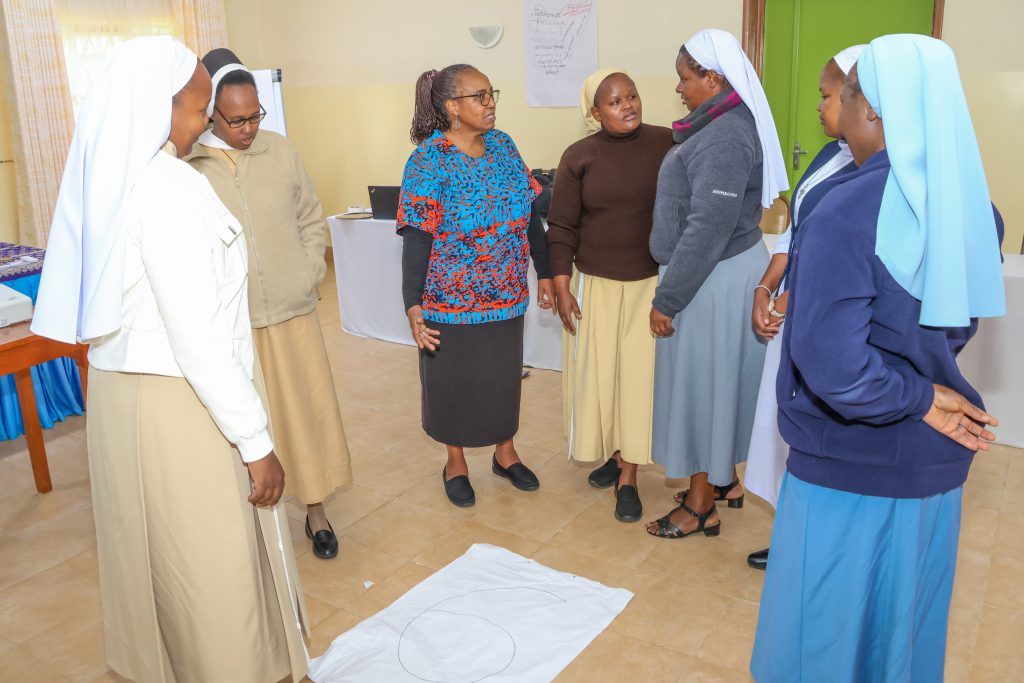
The training further examined the role of communication and media in conflict situations. In an increasingly digital world, the way information is gathered, framed and disseminated can influence how communities understand one another and how conflicts develop.
For Sr. Wamũyũ, media practitioners and communicators have an important role to play in this process. When they understand how conflicts develop and what drives them, they can contribute to solutions rather than unintentionally deepening divisions.
“If journalists understand how conflict operates, then they can be the best people to be peacebuilders or peace practitioners. If you take time to understand the dynamics of a conflict, you can also become a mediator.”
The message carries particular significance for Catholic Sisters engaged in communication and media ministry. Through their apostolates, Sisters work directly with communities facing social, economic and cultural challenges. Their communication platforms therefore provide opportunities not only to tell stories, but also to promote dialogue, challenge harmful narratives and amplify voices that might otherwise remain unheard.
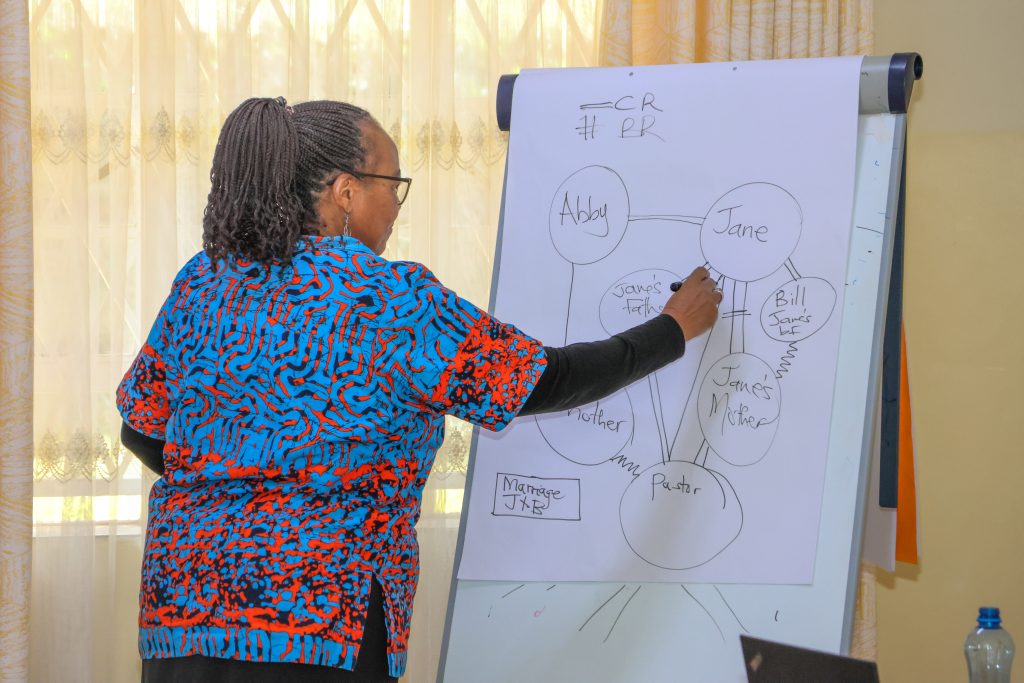
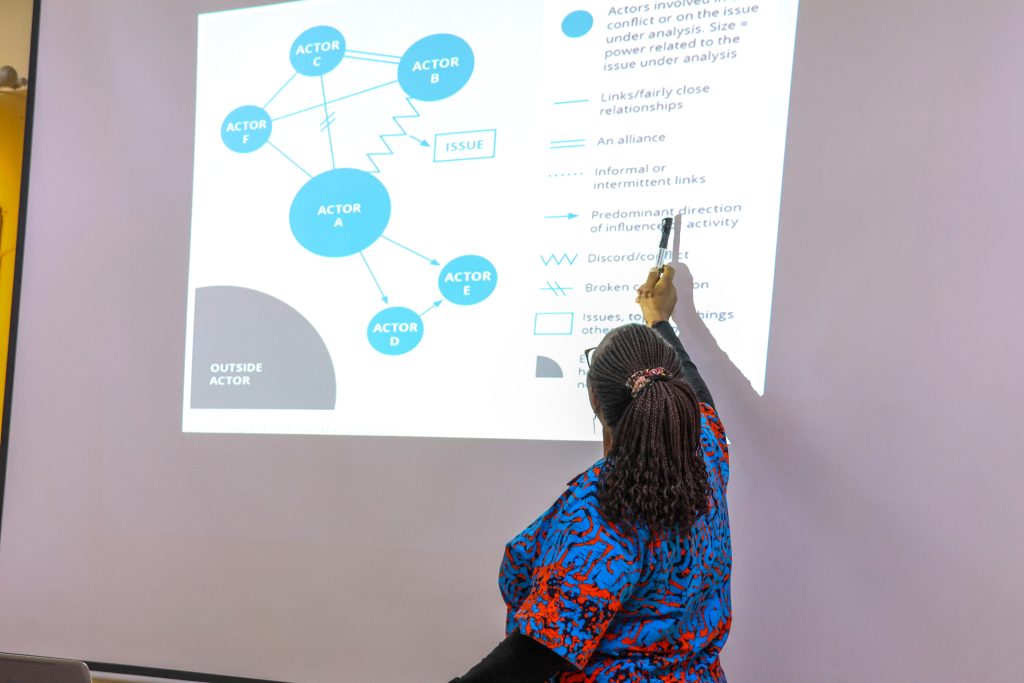
Participants were introduced to approaches for analysing conflict by examining its profile, causes, actors and dynamics. The process encouraged them to move beyond assumptions and to listen to the different perspectives of those involved in a conflict.
Understanding context, Sr. Wamũyũ emphasized, is essential for meaningful action.
“We cannot act within our context if we do not first understand our own world. It is important to bring the world in, but first you need to understand your own world.”
The workshop also invited participants to reflect on the Kenya that exists today and the Kenya they hope to see in the future. Through this exercise, they examined challenges affecting the country and imagined a society marked by greater peace, unity, justice, inclusion and compassion.
For the participants, the reflection reinforced the understanding that peacebuilding is not an abstract concept reserved for diplomats or institutions. It is a responsibility that begins within families, religious communities, workplaces and the wider society.
The workshop also connected peacebuilding with the vocation and mission of religious life. The Sisters were encouraged to cultivate honest communication and constructive dialogue within their own communities, recognizing that the ability to address conflict peacefully must first be practised in everyday relationships.
Peacebuilding, Sr. Wamũyũ emphasized, is not a one-time intervention but a continuous process that requires patience, understanding and a commitment to addressing the root causes of conflict.
“Peacebuilding is long-term. It is not something that is going to happen today or tomorrow. It is a continuous process of dealing with the root causes of conflict and putting structures in place that allow communities to deal with their differences.”
Through the training, CNCS Kenya continues to support the capacity-building of Catholic Sisters in communication and digital media, equipping them to use their platforms to advance social transformation, promote dialogue and contribute to the building of peaceful communities.
In a digital environment where information can rapidly deepen division or create opportunities for understanding, the workshop offered a clear reminder: communication is not neutral in its impact. Used responsibly, it can become a powerful instrument for peace.